The Income Growth Mindset

The Income Growth Mindset


The Income Growth Mindset: Why Earning More Matters as Much as Saving

If you’ve been following this blog for any amount of time, you know how much I emphasize the importance of budgeting, controlling spending, and building wealth through smart financial habits. And don’t get me wrong—those things are absolutely critical to your financial success.

But here’s something I need you to understand: there’s only so much you can cut from your budget.

At some point, you hit a floor. You can’t cut your rent below zero. You can’t eliminate food from your budget. You can’t stop paying for basic necessities.

But your income? That has virtually no ceiling. 📈

This is why developing an income growth mindset is just as important as mastering the art of saving. Especially in today’s economy—with inflation making everything more expensive and housing costs that seem to climb higher every month—your ability to earn more money might be the difference between barely scraping by and actually building the life you want.

You Don’t Need to Be Rich to Build Wealth

I’m not saying you need to be an extremely high income earner to achieve financial freedom. You absolutely don’t.

What you do need is to earn enough to create that critical spread between your income and expenses. That gap is where the magic happens. It’s where saving and investing become possible, and it’s what allows you to build wealth while still enjoying a reasonable lifestyle.

The good news? You have more control over your income than you might think. ✨

The Traits That Help You Earn More

Whether you’re in a trade, an office job, or anything in between, certain traits consistently help people earn more money and advance in their careers. I learned these lessons early on, and they quite literally changed my life.

Let me share my story. I became an accountant at a very young age without having an accounting degree. How? By demonstrating these exact traits I’m about to share with you.

Be Willing to Help—Even With the Small Stuff

When I was starting out, I was willing to shred papers or match simple documents if it meant I could get some face time with the accountants I aspired to become one day.

Was it glamorous? Absolutely not.

But those accountants noticed. They saw someone who was willing to pitch in, who wasn’t above doing trivial tasks, who wanted to learn.

Eventually, I became known as someone who could be relied on in a pinch. And you know what happens when you become that person? You get given more high-level tasks. You get opportunities to prove yourself. You get promoted. 🚀

Ask Questions and Actually Listen to the Answers

Curiosity is a career superpower.

Ask a lot of questions. Show genuine interest in understanding how things work, why decisions are made, and how you can contribute more effectively. People who ask thoughtful questions stand out because most people don’t bother.

Communicate Your Career Goals

Your boss isn’t a mind reader. If you want to advance, you need to communicate that.

Ask what you need to do to move up. What skills should you develop? What experiences do you need? What does success look like in the role you’re aiming for?

This conversation does two things: it shows ambition and initiative, and it gives you a roadmap for advancement.

Be Loyal, But Know When It’s Time to Move On

Loyalty matters, and companies do value employees who stick around. But loyalty should never mean staying somewhere that’s holding you back.

If you’ve outgrown your role and your current company can’t provide the opportunities you need, it might be time to explore other options.

Sometimes the biggest pay raises come from changing employers. It’s an uncomfortable truth, but it’s true nonetheless.

Essential Skills for Increasing Your Income

Beyond the general traits I just mentioned, there are specific skills worth developing:

Build Your Confidence

This is huge. Read books like “How to Win Friends and Influence People” by Dale Carnegie. Listen to motivational speakers like Zig Ziglar. These resources might seem old-school, but the principles they teach are timeless.

Confidence isn’t about being arrogant—it’s about believing in your own value and being able to communicate that value to others. 💪

Learn to Sell

“But I’m not in sales!” you might be thinking. Hear me out.

What I’ve learned over the years is that you need to know how to sell in just about any leadership role. Not sell a product necessarily, but sell your ideas, sell yourself and your skills, sell the benefits of your team and why you exist in your role.

The ability to persuade and influence is valuable in virtually every career path.

Don’t Be Afraid to Ask for What You Want

If you feel like you deserve a raise, first kick ass in your job, then ask for what you want. Document your achievements. Show the value you’ve added. Make a case for yourself.

The worst they can say is no. And even if they do say no, now they know you’re serious about your career advancement. They know you’re paying attention to your compensation. That puts you on their radar.

Learn to Negotiate

Here’s something that might surprise you: you can often make significantly more money by not simply accepting the first offer when you’re taking a new job.

Even if they can’t budge on salary, they may be able to offer other benefits—signing bonuses, stock options, additional PTO, professional development opportunities, or better health insurance.

Paula Pant and other personal finance experts talk extensively about the power of negotiation. It’s a skill worth developing because even a few thousand dollars more in starting salary compounds over your entire career. 💰

The Most Important Trait: Work Ethic and Tenacity

If I had to pick one trait that matters most for increasing your income, it would be this: work ethic combined with tenacity.

Be willing to hear “no” and not let the discouragement get you down. Brush off rejection, hold your head high, and get back out there and try again. This applies to job applications, raise requests, side hustles—everything.

Success isn’t usually about being the smartest person in the room. It’s about being the person who doesn’t quit. 🔥

Invest in Yourself

Your ability to earn is your greatest wealth-building tool. Treat it like an asset and invest in it. Focus on continuous learning, new skills, and education that increases your value in the marketplace.

And here’s something important: this doesn’t automatically mean you need a college degree. Increasing your earning potential doesn’t necessarily mean expensive four-year degrees. It might mean online courses, professional certifications, trade school, attending workshops, or finding a mentor in your field.

The point is to always be improving and investing in skills that the marketplace values.

Seek feedback and embrace challenges. View setbacks as learning opportunities. Be open to criticism because that’s how you improve your earning potential.

The Opportunity in Skilled Trades

Speaking of alternative paths to building income, let’s talk about skilled trades. Not everyone wants to go to college, and frankly, not everyone should.

The skilled trades offer incredible opportunities for people willing to learn and work hard.

Electricians, plumbers, HVAC technicians, welders—these aren’t just good jobs. They’re careers that can provide a comfortable middle-class lifestyle or better. Many tradespeople earn more than their college-educated counterparts, often without the burden of student loan debt. 🔧

And here’s the kicker: there’s a massive skilled labor shortage right now. According to the Bureau of Labor Statistics, many experienced tradespeople are approaching retirement, and there aren’t enough young people entering these fields to replace them.

This creates opportunity. When demand outstrips supply, wages go up.

If you’re early in your career or considering a change, don’t overlook the skilled trades. Research which trades are most in demand in your area right now, and which are projected to be in even higher demand five and ten years from now. This is where forward-thinking career planning pays off.

Diversify Your Income Streams

Once you’ve maximized your primary income, consider exploring additional revenue streams. This might include side hustles, passive income opportunities, or investments that generate cash flow.

In today’s economy, relying on a single income source can be risky. Multiple streams of income provide security and accelerate wealth building.

Understanding Your Mindset

Here’s where everything comes together. Your mindset about money and earning shapes your entire financial reality.

Fixed vs. Growth Mindset

A fixed mindset believes your financial abilities are static—that you’re either good with money or you’re not, that you can only earn so much based on your background or education.

A growth mindset believes your financial abilities can be developed through effort and learning. It believes that with the right strategies and consistent action, you can dramatically improve your financial situation.

Guess which mindset leads to better financial outcomes? 🎯

Abundance, Not Scarcity

Many of us grew up with a scarcity mentality—the fear that there’s never enough, that money is always tight, that opportunities are limited. This mindset is often inherited from our families or shaped by difficult circumstances.

But an abundance mentality sees opportunities for wealth creation everywhere. It believes that by creating value for others, you can improve your own financial situation.

It’s not about being unrealistic or ignoring challenges—it’s about approaching problems with a solution-oriented mindset rather than a defeated one.

Your Income Reflects Your Beliefs

Here’s a truth that might make you uncomfortable: your income often mirrors your beliefs and approach to earning.

If you believe you’re not capable of earning more, you probably won’t. If you believe your background limits your potential, it will.

But if you believe you can increase your value, learn new skills, and create opportunities for yourself—that belief becomes a self-fulfilling prophecy.

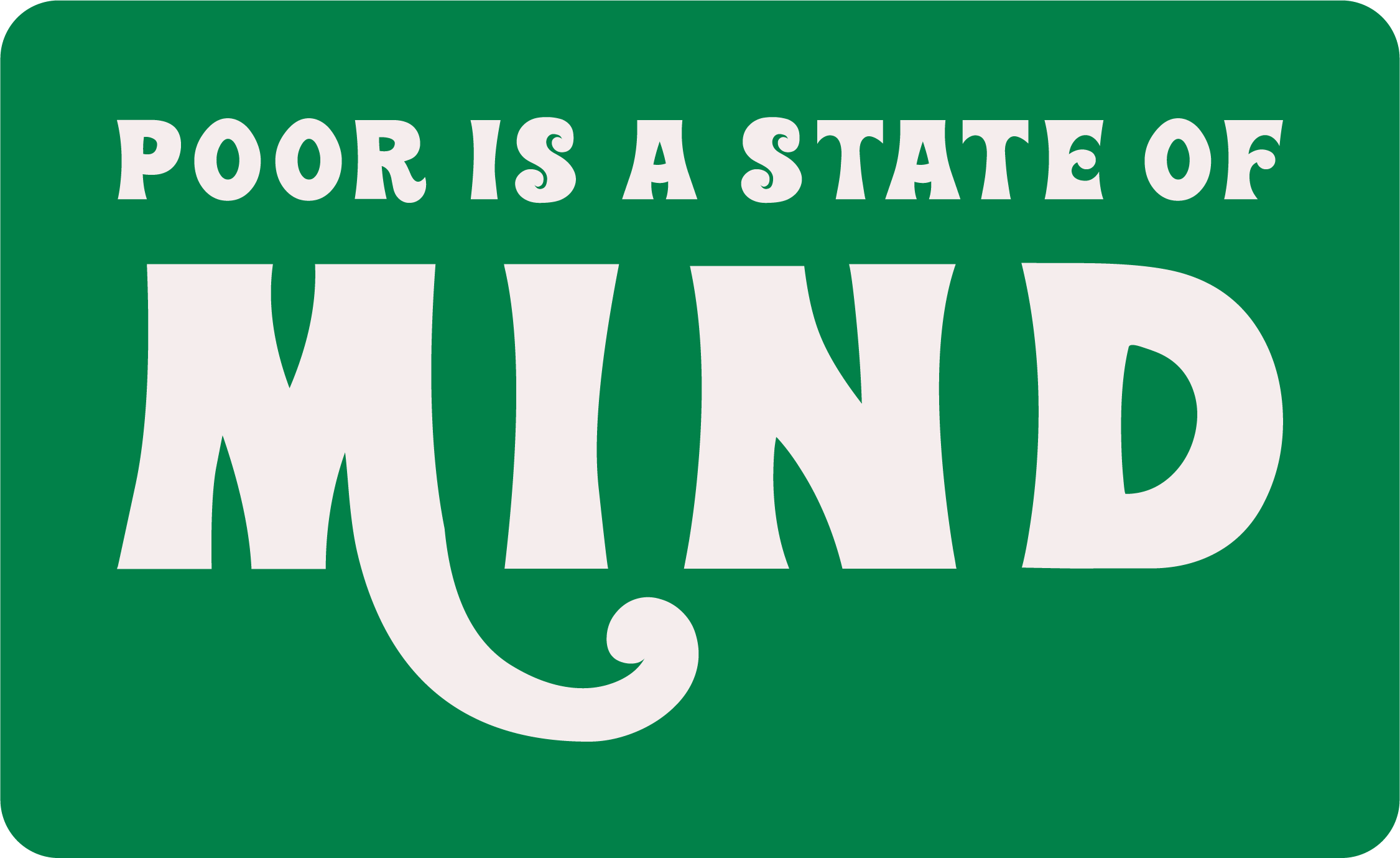
This is why I say that being “poor” is a state of mind. I’ve seen people with modest incomes build impressive wealth because they had the right mindset and strategies. And I’ve seen people with high incomes struggle because they lacked financial discipline and the right approach. 🧠

Frequently Asked Questions About Income Growth

What is an income growth mindset?

An income growth mindset is the belief that your earning potential can be developed through effort, learning new skills, and strategic career decisions. It focuses on increasing income alongside managing expenses to accelerate your path to financial freedom.

How can I increase my income without a college degree?

Skilled trades (electrician, plumber, HVAC), professional certifications, online courses, and developing high-demand skills like sales, negotiation, and technical abilities can all boost income without a traditional degree. Many tradespeople earn more than college graduates without the burden of student loan debt.

What traits help you earn more money?

Key traits include willingness to help others, asking questions, communicating career goals clearly, building confidence, learning to sell and negotiate, demonstrating strong work ethic and tenacity, and being open to feedback. Consistently investing in yourself and your skills is also critical.

Should I focus more on earning or saving money?

Both are essential for financial success. While budgeting and saving are important, there’s a floor to how much you can cut from expenses. Your income has virtually no ceiling, making income growth strategies equally important for achieving financial freedom.

Putting It All Together

Saving money is crucial. Budgeting is essential. Living below your means is non-negotiable.

But if you want to accelerate your journey to financial freedom, you need to focus on both sides of the equation: reducing expenses AND increasing income.

The income growth mindset isn’t about greed or materialism. It’s about recognizing that your ability to earn is a renewable resource that deserves your attention and investment. It’s about understanding that when you increase your income, you create more options for yourself and your family.

You create breathing room in your budget. You can save more aggressively. You can invest more consistently. You can give more generously. You can weather financial setbacks more easily. And yes, you can enjoy your life a little more without guilt. 🌟

So here’s my challenge to you: Don’t just focus on cutting expenses. Focus on growing your income. Invest in yourself. Develop valuable skills. Build your confidence. Network intentionally. Ask for what you want. Be willing to take smart career risks.

Your financial future isn’t just about what you save—it’s also about what you earn. And you have far more control over that number than you might think.

Remember, this is a journey. Financial freedom is achievable, but it requires both discipline and ambition. It requires saving wisely and earning strategically.

Master both, and you’ll be amazed at what becomes possible.

Let’s build wealth together. Not because we want to be rich for rich’s sake, but because we want freedom, security, and the ability to live life on our own terms. 🙌

That’s not just a financial goal—it’s a life goal worth pursuing.


What steps will you take this week to increase your earning potential? Share your thoughts in the comments below, and let’s support each other on this journey to financial independence.


 

The True Cost of a Car Payment

The True Cost of a Car Payment

The True Cost of Car Payments: Why It’s Killing Your Wealth

💸 The Shocking Reality of Car Payments in 2025

In 2025, the average new car payment has reached $749 per month, according to Experian’s Q2 2025 report. Used cars aren’t much better at $529 monthly. Even more alarming? Nearly 1 in 5 new car buyers are now paying over $1,000 every single month for their vehicle.

This isn’t transportation. It’s a wealth extraction system.

The solution? Simple: Only drive cars you own outright.

🚨 Why Car Payments Are the Enemy of Wealth Building

The automotive industry has successfully convinced Americans that car payments are simply “part of adult life.” They’re not—they’re the single biggest obstacle preventing most families from building real wealth.

Consider these numbers:

  • Median U.S. household income (2025): $75,000
  • Average car payment: $749/month ($8,988/year)
  • Percentage of gross income: 12%
  • Percentage of take-home pay (after taxes): Nearly 20%

One-fifth of your after-tax income vanishing every month—not into an investment, not into equity, but into a depreciating asset you don’t even own.

The bank owns the car. The car payment owns you.

And here’s the devastating part: this cycle never ends until you decide to break it.

💰 The Million Dollar Reason to Drive Paid-Off Cars

Here’s where the math becomes impossible to ignore.

Let’s say you maintain a car payment from age 25 to 65. That’s 40 years. At just $600 monthly, you’ll spend $288,000 on car payments alone over your working life.

Now imagine a different path: What if you only drove paid-off cars instead?

Here’s the realistic breakdown:

  • You’d still need to save for your next vehicle—let’s say $300/month goes to your car fund
  • But the other $300/month? That’s available to invest for your future

That $300 per month invested in an S&P 500 index fund earning 8% annually would grow to approximately $1,000,000 by retirement.

🔧 See your own numbers instantly Change the monthly investment, years, or return and watch the magic happen: Try the Retirement Calculator 

This isn’t about sacrifice. This is about making an intelligent choice between temporary convenience and permanent wealth.

⛓️ Every Payment Is Stolen Compound Interest

The real tragedy of car payments isn’t just the money you spend—it’s the exponential wealth you surrender. Every dollar you send to an auto lender is a dollar that can’t:

  • Compound for decades into real wealth
  • Generate passive dividend income
  • Create financial security for your family
  • Give you options and freedom

Driving a paid-off car isn’t being cheap. It’s being smart.

🔍 The Hidden Costs of Car Payments

Think your $749 payment is the full story? Here’s what financing really costs you:

Interest: Paying Extra for the “Privilege” of Debt

  • New cars: ~6.8% APR average
  • Used cars: ~11.5% APR average
  • On a $42,388 loan (the 2025 average) at 6.8% for 72 months: You’ll pay over $7,500 in interest alone

That’s $7,500 you’ll never see again—pure profit for the lender, pure loss for you.

Higher Insurance Costs You Can’t Escape

Lenders require full coverage, averaging $2,899 annually ($241/month). When you own your car outright, you can choose your coverage level and often save hundreds or thousands per year.

Depreciation: Paying for an Asset Racing Toward Zero

  • Drive off the lot: Lose 10% instantly
  • After 1 year: Down 20%
  • After 5 years: Lost 55% of original value

You’re making payments on something becoming worthless faster than you’re building equity. With a paid-off car? Depreciation still happens, but you’re not paying interest on a depreciating asset—the double-whammy that kills wealth.

The National Addiction to Auto Debt

Total U.S. auto debt hit $1.66 trillion in 2025—a record high according to the Federal Reserve. We’ve normalized living in perpetual debt, convincing ourselves we “need” the new car smell badly enough to trade our financial future for it.

🚀 Why Driving Paid-Off Cars Changes Everything

Owning your vehicle outright isn’t just about avoiding payments—it’s about fundamentally transforming your financial life.

1. You Keep Your Money Working for You

Without a car payment, that $600–$1,000 per month becomes:

  • Next car fund contributions (typically $300–400/month so you can pay cash next time)
  • Investment account deposits ($300–600/month building compound wealth automatically)
  • Emergency fund contributions (protecting you from life’s inevitable surprises)
  • Extra mortgage payments or down payment savings for appreciating assets
  • Business capital to create additional income streams

2. Financial Stress Goes Down

When you own your car outright:

  • Job loss doesn’t mean losing your transportation
  • You can negotiate from strength, not desperation, at work
  • Medical emergencies won’t force impossible choices
  • Market downturns become buying opportunities, not crises
  • You sleep better knowing you truly own what you drive

A paid-off car gives you breathing room. A car payment gives you chronic anxiety.

3. You Break the Lifestyle Inflation Cycle

Here’s the trap financial advisors see constantly: someone gets a raise, immediately finances a nicer car, and ends up financially worse off than before the raise. The hedonic treadmill keeps spinning, and they never get ahead.

Driving paid-off cars breaks this vicious cycle. When you resist financing every few years, you actually get to keep your raises. Your income grows while your transportation costs stay manageable. That’s the secret formula wealthy people understand.

4. Your Debt-to-Income Ratio Stays Healthy

Car payments don’t exist in isolation. They affect everything:

  • Mortgage approval: High car payments can disqualify you or force a smaller home
  • Interest rates: Higher debt-to-income means higher rates on everything
  • Credit access: Maxed-out debt ratios limit your financial options
  • Credit score: Miss one payment and watch your score plummet
  • Financial stress: Debt obligations create pressure that affects decision-making

Without car payments, your financial life becomes dramatically simpler and more secure.

5. You Protect Your Future Self

Every car payment you don’t make is freedom you’re buying. Want to:

  • Retire early or on time with dignity?
  • Change careers without panic?
  • Start a business without drowning in obligations?
  • Travel while you’re still healthy enough to enjoy it?
  • Support aging parents or adult children?
  • Live on one income during major life transitions?

Driving paid-off cars makes all of this possible. Car payments make all of this harder or impossible.

📊 The Uncomfortable Truth About Car Payments

The average American is financing $42,388 for a new car while having less than $1,000 in savings for an emergency.

Read that again.

We’re driving vehicles worth more than our net worth. We’re broke people pretending we can afford brand-new cars.

This isn’t financial progress. This is financial theater—performing wealth while actually destroying it.

The shiny vehicle in your driveway doesn’t make you financially secure. More often, financing it is the exact reason you’re not.

💡 How Wealthy People Actually Think About Cars

Here’s what financially independent people understand that most people don’t:

Wealthy people don’t avoid cars—they simply refuse to borrow money for depreciating assets.

Look at what millionaires actually drive:

  • Paid-off vehicles they bought with cash
  • Used cars 3–5 years old (letting someone else absorb the depreciation)
  • Reliable models known for longevity that they maintain meticulously and drive for 10 years
  • Cars that represent a tiny percentage of their net worth

You’ll rarely see someone building serious wealth trading in a perfectly functional paid-off car because “the new model has a better touchscreen.”

They understand: The goal isn’t to look rich. It’s to be rich.

🧠 The Paid-Off Car Mindset

Before making any vehicle decision, wealthy people ask:

  1. Can I pay cash for this car today? If no, they don’t buy it.
  2. What percentage of my net worth is this vehicle? If it’s more than 10–15%, it’s too expensive.
  3. What could this money become instead? Every dollar in a car is a dollar not building wealth.
  4. Am I buying transportation or ego? Be brutally honest—status is expensive, and nobody cares as much as you think they do.

🗺️ Your Roadmap: Transitioning to Paid-Off Cars

You don’t have to stay trapped in the payment cycle. Here’s how to break free permanently:

Step 1: If You Currently Have a Payment, Get Aggressive About Eliminating It

  • Make extra principal payments every month
  • Use bonuses, tax refunds, and side income to attack the balance
  • Sell the vehicle if you’re underwater and find a cheaper paid-off alternative
  • Cut other expenses temporarily to pay off the car faster

Your goal: Get to $0 owed as fast as humanly possible.

Step 2: Start Your Next Car Fund Immediately

Once the car is paid off (or if you already own it outright):

  • Keep “making the payment”—but split it strategically
  • Put $300–400 monthly into a high-yield savings account labeled “Next Car Fund”
  • Invest the remaining $300–400 monthly into your retirement or brokerage account
  • Let both accounts grow simultaneously

In 5–7 years, you’ll have $18,000–$33,600 cash for your next car. No loan needed. Meanwhile, your investments have been compounding the entire time.

Step 3: Buy Smart: Used, Reliable, and Within Your Saved Amount

When it’s time to buy:

  • Target vehicles 3–7 years old with good reliability ratings
  • Research models known for longevity (consumer reports and reliability databases are your friend)
  • Get a pre-purchase inspection (worth every penny)
  • Pay cash with money from your car fund
  • Buy only what you’ve saved—no exceptions

A $12,000 paid-off car beats a $40,000 financed car every single time.

Step 4: Maintain It, Drive It Long-Term, Keep Building Wealth

  • Follow the maintenance schedule religiously
  • Fix issues promptly (cheaper than replacements)
  • Drive it for 10 years without shame or embarrassment
  • Continue splitting your savings: half to next car fund, half to investments

When this car eventually needs replacing, you’ll have enough saved for the next one. The cycle becomes self-perpetuating, and your investment account keeps compounding.

Step 5: Invest the Difference While Building Your Next Car Fund

Here’s where wealth building accelerates:

  • Split that $600 you’re not paying to a bank: $300 to car fund, $300 to investments
  • Over 10 years at 8%: $55,000+ invested
  • Over 20 years: $176,000+ invested
  • Over 30 years: $446,000+ invested
  • Over 40 years: $1,000,000+ invested

Plus you own every car outright during that entire journey.

This is how regular people retire wealthy. Not by luck—by refusing to finance depreciating assets and investing the difference.

⚠️ “But What If I Need to Finance?” — A Last Resort Guide

Look, I get it. Sometimes life happens. Maybe you’re in a tough spot and need reliable transportation immediately without the full cash amount saved.

If you absolutely must finance, here are the non-negotiable rules:

  1. Keep the payment under 5–6% of your take-home pay (if you make $4,000/month after taxes, max payment is $240)
  2. Finance no more than 50% of the vehicle’s cost—put down a substantial down payment to avoid being underwater
  3. Term length: 36 months maximum—if you can’t pay it off in 3 years, it’s too expensive
  4. Used only, 3–5 years old—let someone else eat the depreciation
  5. Get the lowest interest rate possible—credit unions typically beat banks and dealerships
  6. Have a plan to pay it off early—treat it like an emergency, not normal life

But understand this: Financing should feel uncomfortable and temporary. The moment you accept car payments as “just how it is,” you’ve lost the wealth-building game.

The goal is always to get back to paid-off as fast as possible and stay there permanently.

🔥 The Bottom Line: You Can’t Build Wealth While Financing Lifestyle

Car payments aren’t just monthly expenses—they’re generational wealth killers disguised as normal adulting.

Every dollar you borrow to buy a depreciating asset is:

  • A dollar that can’t compound into retirement security
  • A dollar you’re paying interest on for the “privilege” of debt
  • A dollar someone else is making money from
  • A dollar stolen from your future self

The choice is simple: Drive what you can afford to own outright, or stay broke forever.

It doesn’t matter how nice the car is. It doesn’t matter what your coworkers drive. It doesn’t matter if it has the latest technology.

What matters is this: In 20 years, will you be financially free or still making payments?

💪 Take Action Today

The path to wealth isn’t complicated:

  1. Pay off any current car debt as aggressively as possible
  2. Start your next car fund immediately
  3. Only buy cars with cash you’ve saved
  4. Drive them for 10 years without apology
  5. Invest the money you’re not sending to banks

Your retired self is either thanking you or cursing you. Every car decision you make today is casting that vote.

Stop financing your future away. Start driving paid-off cars and building real wealth.

Choose freedom over features. Choose wealth over appearances. Choose paid-off over payments.

Every single time.


📚 Sources & References

  • Experian Q2 2025: State of the Automotive Finance Market Report
  • U.S. Federal Reserve 2025: Consumer Credit – Auto Loan Balances
  • Bankrate 2025: Average Car Insurance Rates by Vehicle Age
  • Cars.com 2025: Annual Repair & Maintenance Cost Data
  • Edmunds 2025: Vehicle Depreciation Data
  • U.S. Census Bureau 2025: Median Household Income Statistics

</htm